Phone prices have climbed steadily while the differences between tiers have narrowed. The top of the range still gets the newest hardware first, but a large part of what you pay for at that end is not something most buyers will notice. Working out which tier actually contains the features you use is the whole exercise.
Where the money goes
A phone’s price is made up of a handful of things, in roughly this order of cost: the display, the processor and modem, the camera system, the materials and finish, the memory and storage, and the software development that runs across the range.
Some of those scale noticeably with price. Materials and finish are the clearest example: a metal frame and a glass back cost more than plastic and are largely a matter of feel and durability rather than function. Camera hardware is the second: additional lenses, larger sensors and stabilisation are genuinely more expensive to make.
Others scale less than the pricing suggests. The same processor frequently appears in several tiers, and the same display technology spreads downwards a generation later. That delay is the entire basis of the mid-range segment.
What flagship money buys
- The newest chip, first. Relevant if you play demanding games or keep devices for a very long time.
- The most capable camera system, particularly the additional lens and the larger sensor.
- Better materials and water resistance, which affect durability and how the device feels.
- Longer and more certain software support, which is the most defensible reason to pay more.
- More generous memory and storage in the base configuration.
What mid-range money buys
A well-chosen mid-range phone typically has an adequate processor, a display that is indistinguishable in daily use, a main camera that is good in good light, and a battery that lasts at least as long as a flagship’s. What it usually gives up is the secondary camera, the best low-light performance, the newest materials, and sometimes a shorter support window.
For most buyers, that trade is the correct one. The features that get given up first are the ones used least: the telephoto lens that comes out on holiday, the high refresh rate that saves battery when it drops, the exotic finish that ends up in a case.
The specifics worth checking
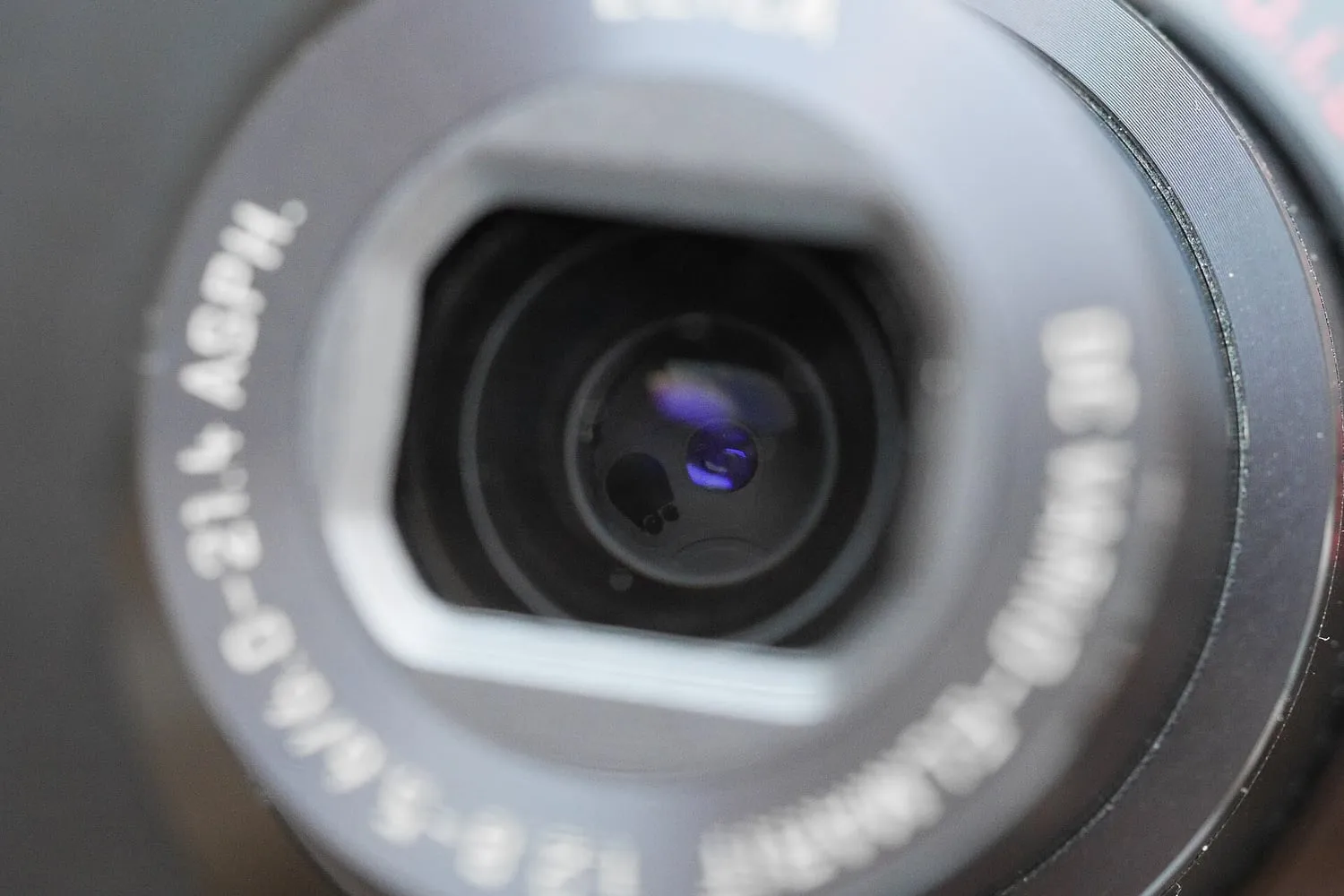
The main camera, not the count. A single well-implemented main camera outperforms a triple camera where two of the sensors are low quality.
Software support years, which applies directly to how long the phone stays usable and safe. This is where cheap phones lose the most value, and where a slightly higher price is frequently justified.
Storage tier. The base model is often the one that fills up first, and there is no expansion on most phones. Buying one tier up at purchase is usually cheaper than replacing the phone early.
Charging speed and the included accessories. Fast charging sounds better than it is in practice. A phone that charges overnight on a slow charger is fine for most people, and heat is what wears a battery out.
Battery replaceability. The battery will be the first part to fail. Where a battery is sold separately and can be fitted at a reasonable price, the phone’s life lengthens well beyond its original capacity rating.
Timing: the release cycle
Phone prices move in a predictable pattern. A model is most expensive at launch, and it becomes markedly better value a year later when its successor arrives. The previous generation keeps receiving support on the same schedule, and its main disadvantage is being one generation behind on hardware that has improved incrementally.
That makes the previous generation the highest-value option for most buyers, as long as the support window is still long enough. Check the commitment in years, not in generations.
Buying used or refurbished
A used phone is often the best value in the market, provided you check four things:
- Battery health, if the device reports it, and whether the battery has been replaced.
- Parts pairing. A replaced screen or battery on some models produces warnings or loses features. Ask what has been replaced.
- Support window remaining, which is unaffected by who owns the phone.
- Account removal. A device still linked to someone else’s account cannot be set up, so this is worth confirming before money changes hands.
Refurbished devices sold by the manufacturer or a reputable reseller usually come with a warranty, which is worth paying a little more for.
Contracts, trade-ins and bundles
A phone sold with a plan is not cheaper; it is paid for monthly and locked to one network for the term. The comparison that matters is the total cost over the term against buying the device outright plus a separate plan — and the answer depends on how much you value the network and the flexibility.
Trade-in offers are genuinely valuable and are frequently worth more than selling privately, especially for devices with worn batteries. Bundle offers are worth only what the bundled item is worth to you; a pair of earbuds you would not have bought is not a discount.
Protecting the investment
A case and a screen protector change the expected cost of ownership more than any specification. Screen damage is the most common failure, and a phone that survives a drop is a phone that does not need a repair.
Choose a case that protects the corners, where drops land, and check that it does not block the charging port. Then check the repair price for a screen before you need it — that number tells you how much protection is worth buying.
A short decision order
- Decide the storage tier and treat it as final.
- Check the support window in years.
- Check the main camera rather than the camera count.
- Compare the previous generation against the current one.
- Decide whether flagship materials or the extra lens are worth the difference to you.
- Check the battery replacement path and the screen repair price.
- Only then compare prices.
Answer those in order and the tier you belong in usually becomes obvious, which is the point. Overpaying for a phone is not buying an expensive one; it is buying capability you never use and support you did not check.